

Dificuldades na Intel: Vendas de Processadores para Inteligência Artificial não Decolam como Esperado, Enquanto a Linha Raptor Lake Continua Forte.
2025-04-25Placa de Vídeo GeForce RTX 5080: Problema de Vazamento de Gel é Detectado em Unidades de Alto Custo, com Preços que Chegam a R$ 13 mil
2025-04-25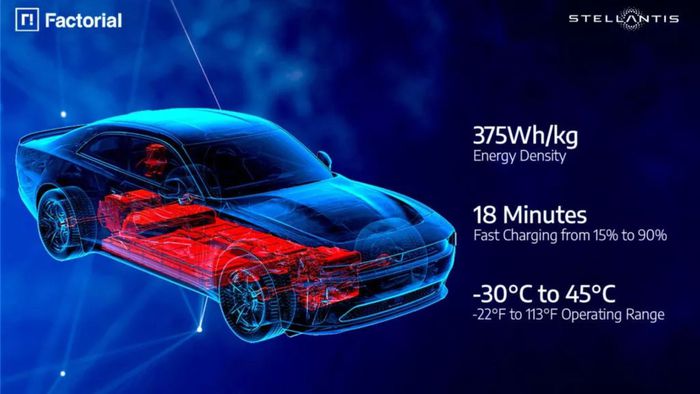
Here is the rewritten text:
Last year, Stellantis announced a partnership with Factorial to use their solid-state batteries in the new electric generation of the Dodge Charger Daytona, set to debut in 2026.
This week, the automaker released some information about the development of this battery, which has achieved an energy density of 375 Wh/kg according to Stellantis.
The manufacturer stated that the 77 Ah FEST (Factorial Electrolyte System Technology) cells have reached a density of 375 Wh/kg with over 600 charging cycles. According to Stellantis, they are progressing towards the necessary qualification for use in their vehicles.
What’s the real importance of energy density in a battery?
In contrast to traditional lithium-ion batteries that use liquid electrolytes, solid-state batteries like FEST use metallic lithium, resulting in almost solid cells.
The result is much greater energy efficiency, with faster charging, longer autonomy, improved safety, and more.
In summary, the denser a battery is, the better it becomes. The current generation of BYD’s Blade batteries, for example, has a density of 150 Wh/kg, less than half of what Stellantis is developing.
This gives FEST batteries a significant advantage. According to the brand, they can charge from 15% to 90% in just 18 minutes. These new cells also promise to support fast discharges of up to 4°C, improving the performance of electric vehicles, which are often hindered by various factors.
The latest battery cells developed by Factorial can operate between -30°C and 45°C, a very wide range, allowing for use in any type of climate.
There are other advantages to using these batteries, such as increased safety, less weight, and, of course, greater efficiency.
“This advancement puts us at the forefront of the solid-state revolution, but we won’t stop there. We continue to work together to push the limits and offer even more advanced solutions, getting closer to lighter and more efficient batteries that reduce costs for our customers,” said Ned Curic, Stellantis’ Engineering and Technology Director.
Stay tuned for more information on this exciting development in the world of electric vehicles!


