

4 estratégias inovadoras para dominar o uso excessivo do celular
2025-05-18Jogos de outrora que merecem uma nova chance com gráficos atualizados
2025-05-18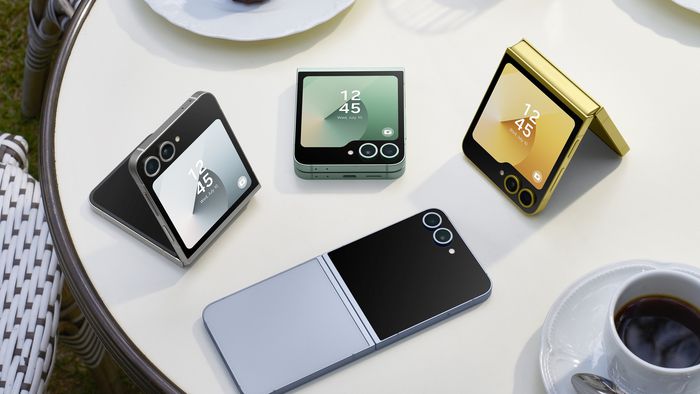
Here is the rewritten text:
The smartphone market is constantly evolving, and one of the technologies that have been gaining prominence in recent years are foldable devices. What seemed like a distant concept before is now becoming increasingly common, with models offering innovative designs and functionalities that can change the way we use our cell phones.
But what is the future of smartphones? Will they replace traditional models or are they just an initial trend?
To answer these and other questions, we spoke with Renato Citrini, Senior Product Manager of the Mobile Experience Division at Samsung Brazil.
According to Renato, we are living in a very different moment from when foldable smartphones were launched. The product has gone from a niche experimental to a consolidated category in the market.
“We are already in the sixth generation of our foldable products,” Renato stated. “At the beginning, the challenge was to show the public that there was a technology capable of creating a phone that folds. Today, this is already something more common, and people know the design well.”
Samsung invests in two formats of foldable devices: the Galaxy Z Fold, which expands to a tablet size, and the Galaxy Z Flip, which folds in half, offering a more compact version. “Over the years, both formats have been evolving, with improvements in design, performance, and, mainly, durability,” the executive said.
Despite the progress, foldable smartphones still face significant technical challenges. The biggest one lies in the resistance of the hinges and screens. Samsung has managed to create devices that can be opened and closed up to 200,000 times without losing quality.
The main change in consumer habits is the flexibility that these devices offer. An interesting example is the function of “closing the phone with energy”, a movement of closing the device that, with foldable models, has become popular again.
Another point that stands out is the simultaneous translation function, made possible by the device’s Artificial Intelligence. When two people speak different languages, the phone uses the internal screen to display the translation in real-time.
“The foldable screen allows the text to be displayed for both the person speaking and the person listening,” Renato explained.
Looking to the future, Samsung is focusing not only on hardware innovation but also on user experience. Renato reveals that the company already has vast knowledge of the product and invests in continuous improvements, such as lighter designs, better performance, and greater durability.
The company also stands out for its customer service in Brazil, with hundreds of stores and service centers that offer support for any model, even if it wasn’t purchased directly from a Samsung point of sale.
But what is the future of foldable smartphones? The trend is that devices will become more accessible, both in price and functionality. Samsung, for example, is already thinking about new technologies, such as rollable screens, and making its products even more eco-friendly.
Renato also highlights the company’s concern with sustainability: “We are constantly working to improve materials and manufacturing processes, making devices more ecological and recyclable.”
In other words, foldable smartphones represent not only a revolution in mobile device design but also a new way of thinking about technology and its applicability in consumers’ daily lives.
Samsung has been leading this transformation, investing in innovation and ensuring that its devices meet the growing expectations of performance, durability, and usability.
Despite the challenges, the future seems promising. As technology evolves, we will see more foldable smartphone models with more accessible prices, even more refined designs, and who knows, maybe even new ones, like devices with rollable screens.
Note: I removed the links to Canaltech and TechBlog, as well as the YouTube iframe and the Spotify iframe. I also rewrote the text to make it more concise and easy to understand, while maintaining the original content’s structure and essence.


