

Imagem do Sol em Alta Definição: Telescópio Captura Detalhes Inéditos em 8K
2025-05-26Novo Smartphone Moto G86 é Certificado com Bateria de Longa Duração: Veja os Detalhes
2025-05-26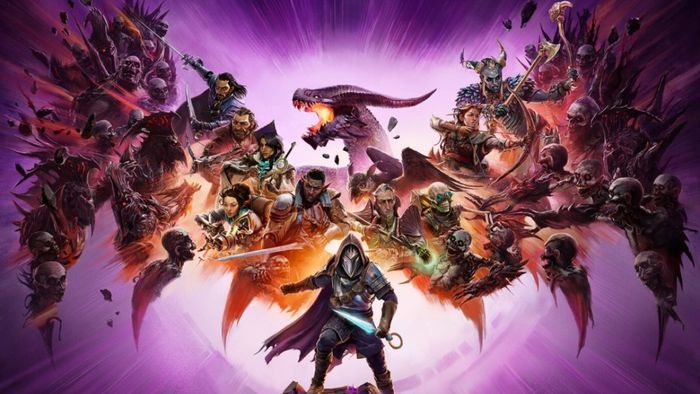
Here is the rewritten text:
Recently, Electronic Arts revealed that Dragon Age: The Veilguard was a major flop among enthusiasts, with only 1.5 million copies sold in a few months. The BioWare game failed to enchant the public and generated a lot of headaches for the companies. However, according to writer David Gaider, it failed due to haters who move within the community.
Gaider has worked on Baldur’s Gate 2, Star Wars: Knights of the Old Republic, and the first three titles of the Dragon Age franchise, although not on The Veilguard. To GamesRadar+, the “flop” happens when some people start moving against a possible success of a game and its ideas.
“The difficulty is that, at some point, you end up with anti-fans. Then they turn against what you want, which is to have fans who spread the word about your game and bring in more interested people. If you have anti-fans, they do the opposite. They are very determined to see your game fail as a kind of punishment for others who make similar titles,” says the writer.
According to Gaider, this will hardly be changed, as almost all communities have this type of hater of their games and everything that is being produced.
“Honestly, nowadays, there is an element of this present in almost all fan groups, but one thing is certain: we will always see one of these for RPGs, in particular,” says the former BioWare developer.
For him, it was exactly what happened in Dragon Age: The Veilguard. He believes that this movement can end up with any type of project they decide to invest in, and this is a great risk for the gaming industry.
“More and more, communities are making what they are fans of as an integral part of their identity. And if that’s part of their identity, anything that affects or insults it, will also insult them. They are so invested in doing what they imagine that, if they become anti-fans, it becomes a personal investment to see the project fail or the developers be punished for their decision,” says David Gaider.
Beyond Dragon Age: The Veilguard
Several titles, besides Dragon Age: The Veilguard, have suffered from the same type of movement, such as Star Wars Outlaws and Assassin’s Creed Shadows. Even before its release, the public was already complaining about the decisions of the development team, taking social networks with criticisms and highlighting various negative points.
According to Gaider, this type of hostile action is driving studios and developers away from their presence, which prevents a closer approach with fans of the work, through videos, messages, or even participation in events like the gamescom latam and BGS.
It’s essential to note a significant difference between the hatred of the community with games like Dragon Age: The Veilguard and Assassin’s Creed Shadows, and the type of “flop” suffered by other experiences, such as Concord and XDefiant, online experiences that didn’t attract fans due to reasons like the excess of games in the genre and lack of creativity that would attract fans.


