

Oferta Imperdível: Kit de 32 GB de Memória RAM DDR4 Corsair Vengeance por um Preço Acessível com Cupom Exclusivo
2025-02-10Novo smartwatch da OnePlus: autonomia de 120 horas com sistema operacional compartilhado com Samsung
2025-02-10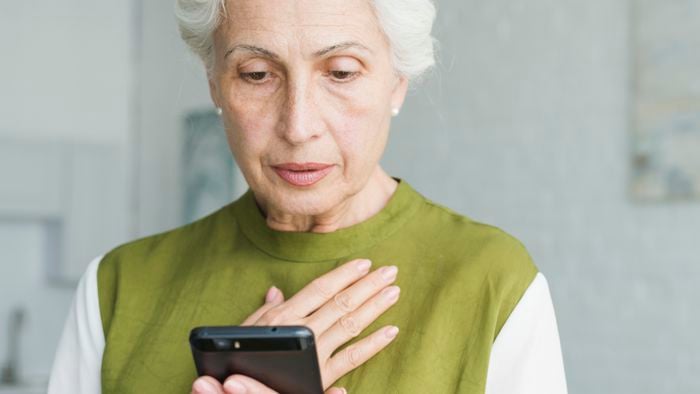
Nomophobia, the fear of being without a mobile device, is a growing concern that affects not only the younger generation but also the elderly. It’s essential to recognize the signs of cell phone addiction and think about the best practices to combat it.
- 6 actions on cybersecurity that you should teach the elderly
- Are you addicted to your cell phone? A psychologist compares smartphones to drugs
Researchers from UFMG discovered the presence of nomophobia in the elderly during a study last year, which reviewed 142 articles and involved over two million people. Although most participants were adolescents, the number of elderly individuals who developed a fear of being separated from their cell phones surprised the scientists.
The study raised a special alert to the elderly who consume violent content on television and the possible consequences for mental health. The researchers emphasize that it’s not enough to limit screen time; it’s also necessary to enrich time spent away from screens, keeping the mind active and reducing stress.
Nomophobia
Nomophobia comes from the term “No Mobile Phone Phobia,” meaning an irrational fear of being without a cell phone. The person has difficulty disconnecting, even for a limited period.
A study by the Journal of Family Medicine states that various psychological factors are involved when someone excessively uses their cell phone, such as low self-esteem.
“It’s very difficult to differentiate whether the patient becomes nomophobic due to cell phone addiction or underlying anxiety disorders manifest as nomophobic symptoms,” the research says. This is because the symptoms are very similar.
Identifying Nomophobia
The study mentions that the signs of nomophobia include:
- Anxiety
- Respiratory changes
- Tremors
- Sweating
- Agitation
- Disorientation
- Tachycardia.
“Some mental disorders can precipitate nomophobia, and vice versa. The complexity of this condition is very challenging for family members of patients, as well as for doctors, since nomophobia shares common clinical symptoms with other disorders,” the researchers note.
Therefore, according to them, diagnosis should be made by exclusion. “We need to stay in the real world more than in the virtual world. We need to reestablish human-to-human interactions, face-to-face connections. So, we need to limit our cell phone use instead of prohibiting it, because we can’t escape the force of technological advancement,” the study concludes.
Read also:
- Smartphone addiction: know the impact it has on your brain
- Doomscrolling: constantly scrolling through your phone can harm your health
VIDEO | Obabox Obasmart 3, a BAD cell phone for the elderly


